
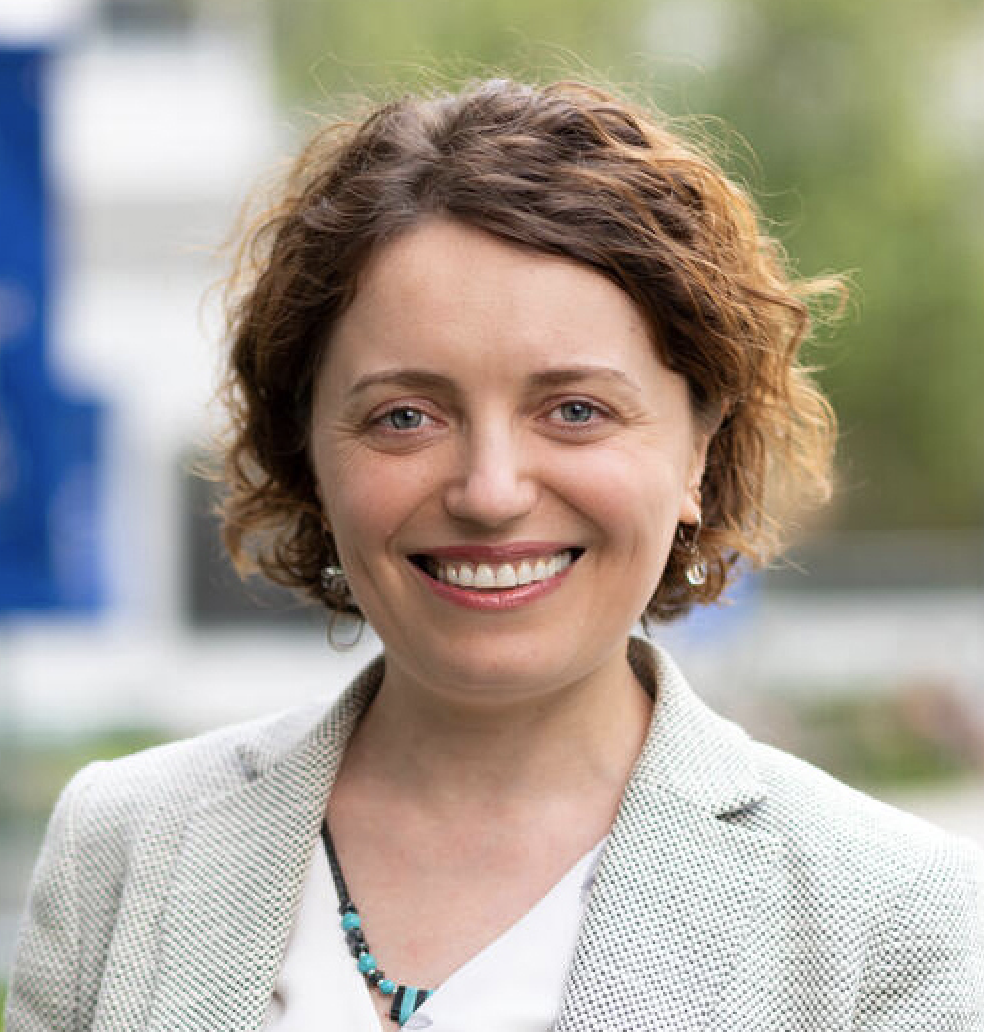
Irina Bancos
Irina Bancos, MD, MSc Professor of Medicine Division of Endocrinology, Metabolism, Diabetes and Nutrition, Mayo Clinic Rochester, MN, USA Joint appointment Department of Laboratory Medicine and Pathology, Mayo Clinic, Rochester, MN, USA Dr Irina Bancos is Professor of Medicine and works in the Pituitary-Adrenal-Gonadal subdivision of Endocrinology division at Mayo Clinic, Rochester, USA. She also holds a joint appointment with the Department of Laboratory Medicine at Mayo Clinic. Dr Bancos received her M.D. from the Iuliu Hatieganu Medical University in Cluj-Napoca, Romania. She has completed her Internal Medicine Residency at Danbury Hospital in CT, USA and Endocrinology Fellowship at Mayo Clinic, Rochester. In addition, Dr Bancos completed a two-year research fellowship (Mayo Foundation Scholarship) at the University of Birmingham, UK where she received training in steroid profiling and adrenal disorders. In 2015 she returned to Mayo Clinic, where her clinical and research interests include adrenal and pituitary disorders, and mechanisms of steroid regulation of health and disease. Dr. Bancos has published more than 250 scientific articles. She currently serves as Deputy Editor for the European Journal of Endocrinology. Dr. Bancos is passionate about translating research findings into actionable interventions for patients with adrenal disorders and mentoring the future generation of adrenal endocrinologists.
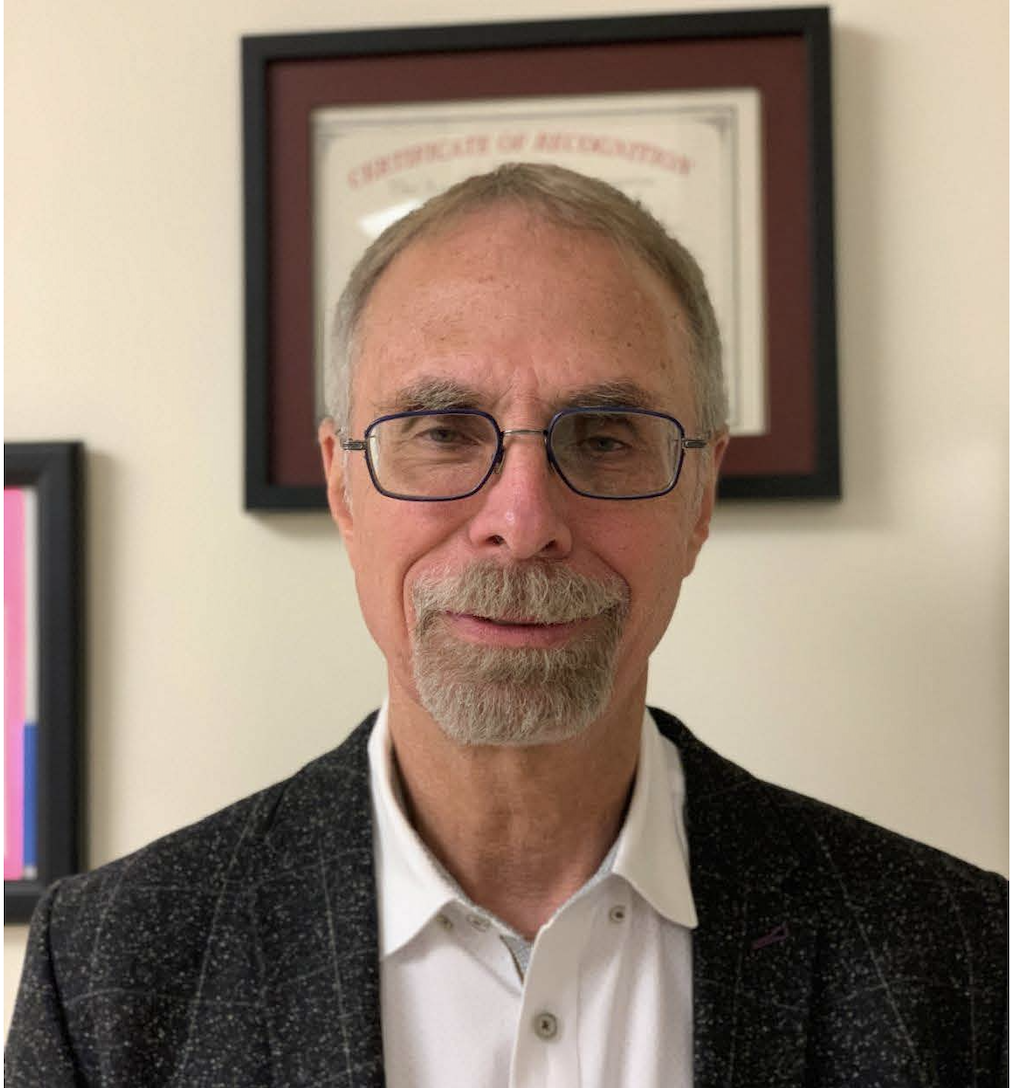
Mitchell Geffner
Dr. Geffner is Professor Emeritus of Pediatrics at the Keck School of Medicine of USC; the Ron Burkle Chair in the Center for Endocrinology, Diabetes, and Metabolism at Children’s Hospital Los Angeles (CHLA); Co-director of the Congenital Adrenal Hyperplasia Center of Medical and Surgical Excellence at CHLA; and former Chief of the Divisions of Endocrinology, Diabetes, and Metabolism at both CHLA and UCLA. He is also the director of the new Adult Women’s Turner Syndrome Clinic at Keck-USC Medical Center. Dr. Geffner is the author of 200 peer-reviewed research articles, >50 review articles, and >25 book chapters; a participant in 35 study group manuscripts; and part of >285 abstract submissions. He has delivered >550 lectures in various hospitals and scientific meetings over the course of his career. Dr. Geffner is the pediatric endocrinology co-editor for UpToDate and co-editor of the textbook, “Pediatric Endocrinology: Principles and Practice” (McGraw-Hill). He is also a past President and past Secretary of the Pediatric Endocrine Society. Lastly, Dr. Geffner was the 2022 recipient of the International Outstanding Clinician Award from the European Society of Paediatric Endocrinology.

Craig Cooley
Craig Cooley, MD, MPH, EMT-P, FACEP, FAAEM, FAEMS is currently the EMS Division Director and Program Director for the EMS Fellowship at University of Texas at San Antonio and an Associate Clinical Professor in the Department of Emergency Medicine. He is also Deputy Medical Director for San Antonio Fire Department and Medical Director for Bexar County ESD-3. In these roles, Dr. Cooley provides radio/phone and on-scene medical control for SAFD and surrounding agencies, provides medical oversight during state disaster responses, and educates fellows, residents, and medical students through the different programs and rotations he helped develop that are offered at UT San Antonio. Among his involvement in several regional, state and national organizations, Dr. Cooley is a member of the Texas Governor’s EMS and Trauma Advisory Council (GETAC) Cardiac Subcommittee, Chair for the EMS Section for the American Academy of Emergency Medicine (AAEM), is Chair-Elect for the EMS Section of the American Collage of Emergency Physicians (ACEP), and serves on multiple committees with the National Association of EMS Physicians (NAEMSP). In addition to speaking frequently at the program and local level on several EMS topics, Dr. Cooley continues to speak regionally, nationally and internationally on a variety of topics in EMS and Emergency Medicine.

Kyriakie Sarafoglou
Kiki Sarafoglou is a tenured Professor holding a joint appointment in the Department of Pediatrics (Divisions of Pediatric Endocrinology and Genetics & Metabolism) at the University of Minnesota Medical School and in the Department of Experimental and Clinical Pharmacology at the College of Pharmacy. Dr. Sarafoglou specializes in clinical research and care of rare endocrine and metabolic disorders with a primary focus on congenital adrenal hyperplasia (CAH). In 2005 she created one of the first CAH multidisciplinary clinics in the U.S. Dr. Sarafoglou currently follows ~200 pediatric and 40 adult patients with about 40% being referrals from across the U.S. and Canada.
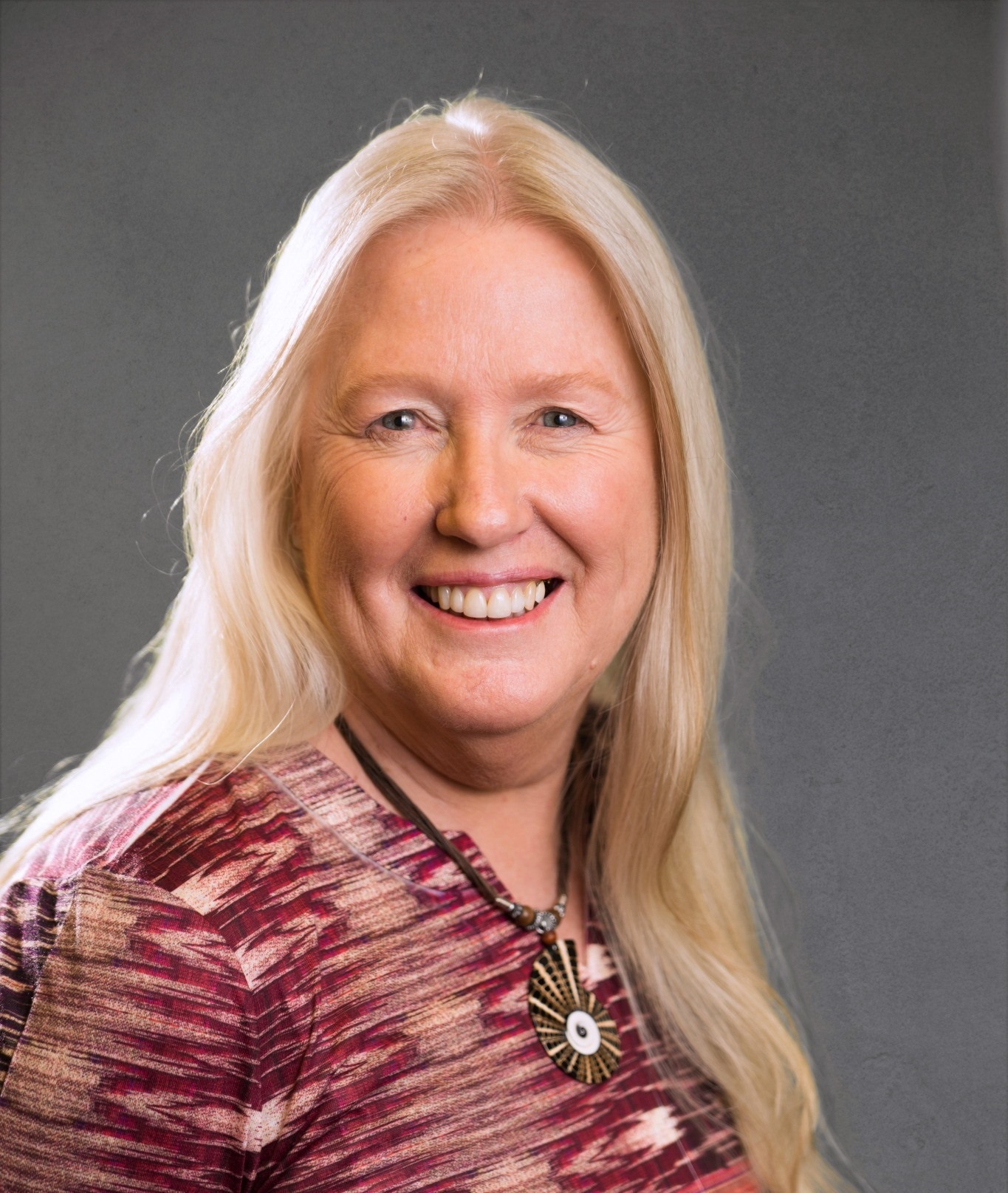
Chris Yedinak
Christine Yedinak, DNP, MN, FNP. Dr. Yedinak has been a nurse practitioner providing clinical care for patients withpituitary and adrenal disorders for over 20 years. As an associate professor at OregonHealth & Sciences University in Portland Oregon her research focused on outcomes of patient care She is currently an adjunct professor at Mount Marty University in Yankton, South Dakota, and director of the post-master’s endocrine certificate program. She is past president of the Endocrine Nurses Society and the Federation of International Nurses In Endocrinology (FINE) and a past committee member of the European Society of Endocrinology.

Jason Dunn
Jason Dunn, RN, CSRN Board of Directors- Adrenal Insufficiency United (AIU) Medical Liaison- Adrenal Insufficiency United (AIU) Patient Advocate & Public Speaker- Endocrinology Endocrine Nurses Society I have been an RN in active clinical practice for 22 years, in peri-operative and interventional pain settings. I have served as a Medical Liaison on the Board of Directors for AIU since May 2023. My passion is advocating for patients with adrenal and pituitary endocrine conditions, as I myself was diagnosed with panhypopituitarism (with secondary adrenal insufficiency) around 5 years of age. This was most likely from hydrocephalus at birth. I enjoy teaching/coaching patients on how to live their best life while managing the daily ups and downs that come with pituitary or adrenal conditions.

Anat Ben-Shlomo
Anat Ben-Shlomo Co-Director, Multidisciplinary Adrenal Program Associate Professor, Department of Medicine, Cedars-Sinai Medical center Professor, Clinical, Health sciences, Department of Medicine, University of California, Los Angeles Division of Endocrinology, Diabetes & Metabolism, Pituitary Center Department of Medicine Anat Ben-Shlomo, MD, is an Assistant Professor of Medicine at Cedars-Sinai Medical Center. She received her medical degree from Sackler Faculty of Medicine in Israel and completed her residency at Assaf HaRofeh Medical Center. Her specialties are clinical and translational-basic research in pituitary and adrenal gland disorders.

Naila Goldenberg
Dr Naila Goldenberg, MD is a board Certified Endocrinologist with the focus on Adrenal Insufficiency. She has helped multiple patients with different versions of adrenal Insufficiency and has more than 30 (currently 37) patients on Cortisol pump. Her research was presented at Endocrine Society and published in peer reviewed scientific journals. Dr. Goldenberg leads the Tristate Endocrinology Club in Cincinnati area. She practices Functional Medicine and has been the principal owner of Functional Endocrinology since 2017. In her free time she enjoys painting, spending time with family, cats, dogs and chickens.
Nupur Kikani
Dr. Nupur Kikani is an Assistant Professor in the Division of Endocrine Neoplasia and Hormonal Disorders at the University of Texas MD Anderson. She grew up in Houston and after graduating from Baylor College of Medicine medical school, she completed a residency training program in Internal Medicine at Baylor College of Medicine, and an endocrinology fellowship at Baylor College of Medicine. Her clinical and research interests include treatment of diabetes, specifically atypical and ketosis prone diabetes, steroid induced hyperglycemia in cancer patients, immunotherapy related endocrinopathies, and designing ways to improve the quality and delivery of health care in the inpatient and outpatient setting. Dr. Kikani is the patient safety and quality officer for the Department of Endocrine Neoplasia and Hormonal Disorders and the faculty wellness lead for the group.

Julia Anthony
Julia is a designer, entrepreneur, and healthcare executive bringing both professional expertise and lived experience with a rare medical condition to the life sciences. She’s a graduate of the NASDAQ Entrepreneurship Program and Johnson & Johnson’s JLABS Incubator, and a PPDC award recipient from the Children’s Hospital of Philadelphia. As Founder and Chief Strategy Officer of SOLUtion Medical, Julia is advancing safer, easier drug delivery for treatments that require mixing at the point of care. She also holds an M.S. in Industrial Design from Jefferson University and serves as a reviewer for PCORI’s Healthcare Horizon Scanning System, evaluating emerging healthcare innovations.

Kerri Engebrecht
Kerri Engebrecht lives with her husband and younger son in Knoxville, TN and was introduced to the rare disease world in December of 2015 when her son was diagnosed with Addison's Disease. Since then she has worked on advocacy at every level. She worked for county EMS guidelines to protect her son and others with adrenal insufficiency 4 months after his diagnosis and began supporting other parents of newly diagnosed children with all forms of adrenal insufficiency. Joining the board of Adrenal Insufficiency United in 2022 as parent liaison and became Director in January 2024. In addition to her adrenal insufficiency work she is Tennessee's Community Engagement Ambassador for NORD's Rare Action Network, a member of the Patient Senate of Patient's Rising, Member of International Adrenal Consortium, Ambassador for Association for Frontotemporal Degeneration, and Co-Chair for QPM Battelle E&M Primary Prevention Committee. In her spare time she is active with her church and enjoys watching sports of all kinds with her husband.

Deanna Pomfret
Professor, Nutrition and Public Health Deanna’s area of expertise is health education with a primary focus on food and nutrition, physical activity, public health and promotion. Deanna teaches full-time for the Department of Nutrition and Public Health in the School of Nursing and Health Sciences at Merrimack College. Deanna also volunteers in the local sports and medical communities. She is a presenter at Harvard University Medical School for their endocrine clinics and homeostasis lectures. She also presents for clubs, hospitals and symposiums on the science and art of coaching specifically in the areas of nutrition and fitness. Before becoming a teacher Deanna created Athletic Pursuits LLC a company that promoted endurance sports and the great outdoors. Since 2005 Deanna has helped adults with personalized coaching and training for general fitness and for special events like triathlons, marathons and anything her athletes dream up. Deanna has primary adrenal insufficiency and enjoys being a resource for others with similar challenges.

Constance Leon
In 2015, I was diagnosed with Secondary Adrenal Insufficiency. I couldn't get my life or body under control and had to leave the job I loved as a Chief Information Officer for the government and take early retirement. I was fortunate enough to end up at the National Institute of Health (NIH), where they also found Panhypopituitarism by way of Empty Sella Syndrome, Diabetes Insipidus and a host of autoimmune diseases. Confronted with a body I had yet learned to maneuver through life, I did what I always do, I trained a dog. My father trained dogs. His father trained dogs. So, I trained dogs for myself and for others. I trained dogs as pets, as companion animals, as Service Dogs, to work with the visually impaired, the Deaf, the physically impaired, children and the elderly. Who knew there was such a thing as teaching a dog to detect low cortisol? Not I, but Nala did.

LaTasha Holt
Educator, Researcher, & "Double AI" Advocate Dr. Latasha Holt is an Associate Professor and Assessment Coordinator at the University of Louisiana at Lafayette, but her most vital research happens at the intersection of theory and real-world survival. Driven by her daughter’s journey with adrenal insufficiency and epilepsy, Dr. Holt has dedicated her career to bridging the gap between complex academic concepts and the lived experience of those with exceptional needs. A published author and Ph.D. in Curriculum and Instruction, she has spent the last four years leading faculty learning communities in exploring the integration of Artificial Intelligence (AI) across disciplines, examining its profound implications for pedagogy and academic identity. Her work is rooted in the belief that real change only begins when we are brave enough to ask disruptive questions. Beyond the classroom, Dr. Holt is a dedicated force for systemic reform. She serves on the boards of Danny’s Dose and volunteers with NORD and Make-a-Wish. Whether she is addressing physicians, educators, or political leaders, her mission remains the same: to transform "invisible" struggles into visible action and foster a more appropriate, democratic landscape for every learner and patient.
Darleen Shelton
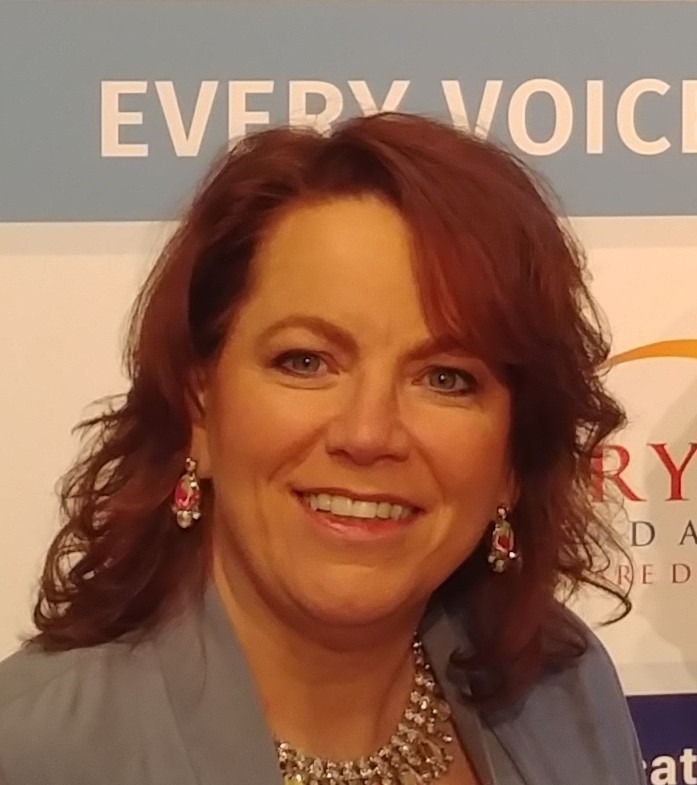
After her first grandson was unexpectedly diagnosed with severe Hemophilia B, Darlene and her family encountered a critical and dangerous gap in emergency medical care: protocols that prohibit paramedics and emergency department clinicians from administering patient-carried specialty medications. Recognizing the serious risk this posed—not only to her grandson but to countless individuals with complex medical needs—Darlene took action. She co-founded Danny’s Dose Alliance, launching a mission to address systemic barriers within emergency care. What began in Missouri through collaboration with the EMS Association quickly revealed a nationwide issue affecting patients with rare and chronic conditions. Conflicting protocols, fear of liability, and a lack of disease-specific education emerged as the core challenges. From this work, three primary goals were established: Modernize and change outdated EMS and emergency care protocols across the United States Develop disease-specific treatment guidelines and provide targeted education for paramedics and emergency clinicians Equip patients and families with emergency preparedness education to improve safety and outcomes

Carey Smith
Carey's background is as varied as his writing. He has worked in finance, taught fitness classes, studied in seminary, and trained in family counseling. He credits his compassion and empathy to both the hardships and kindness he’s experienced—surviving years of being bullied, yet learning firsthand that no matter how bad things get, you can still make it through. His most recent book, Magnetic Love: What It Looks Like at the End, is a tribute to his late wife and the extraordinary love they shared. More than a memoir, it’s an unflinching account of her battle with CRPS, the systemic failures of a medical system that too often dismisses pain patients, and the strength it takes to care for someone you love in the face of those challenges. It’s a story his wife wanted told—to raise awareness about CRPS and the countless patients who struggle to be believed. When he isn’t writing, Carey enjoys teaching, uplifting others, and yes—cranking up everything from heavy metal to Christian music. He believes kindness, laughter, and making people feel valued are among life’s greatest joys. Through his books, Carey hopes to inspire readers to face challenges with courage, love without reservation, and never underestimate the impact of empathy.

Lauren Kopsick
Lauren Kopsick is the Founder and Executive Director of The Healthcare Navigation Project (THNP), a 501(c)(3) organization advancing healthcare literacy and self-advocacy through a proprietary, patent-pending multidisciplinary learning model. She is the creator of The Five Principles of Self-Advocacy, a structured framework that teaches individuals how to communicate strategically within complex healthcare systems, transforming advocacy into a measurable, skill-based practice. Developed from lived experience navigating first special education and then specialty healthcare, her work now spans correctional mental health reentry programming, school-based health settings, support groups, and professional continuing education audiences. Lauren presents nationally on systems navigation, pragmatic communication, and structural barriers to care, and she serves on the editorial board of the Journal of Oncology Navigation & Survivorship (JONS), where she contributes to advancing dialogue on patient empowerment and navigation science.